









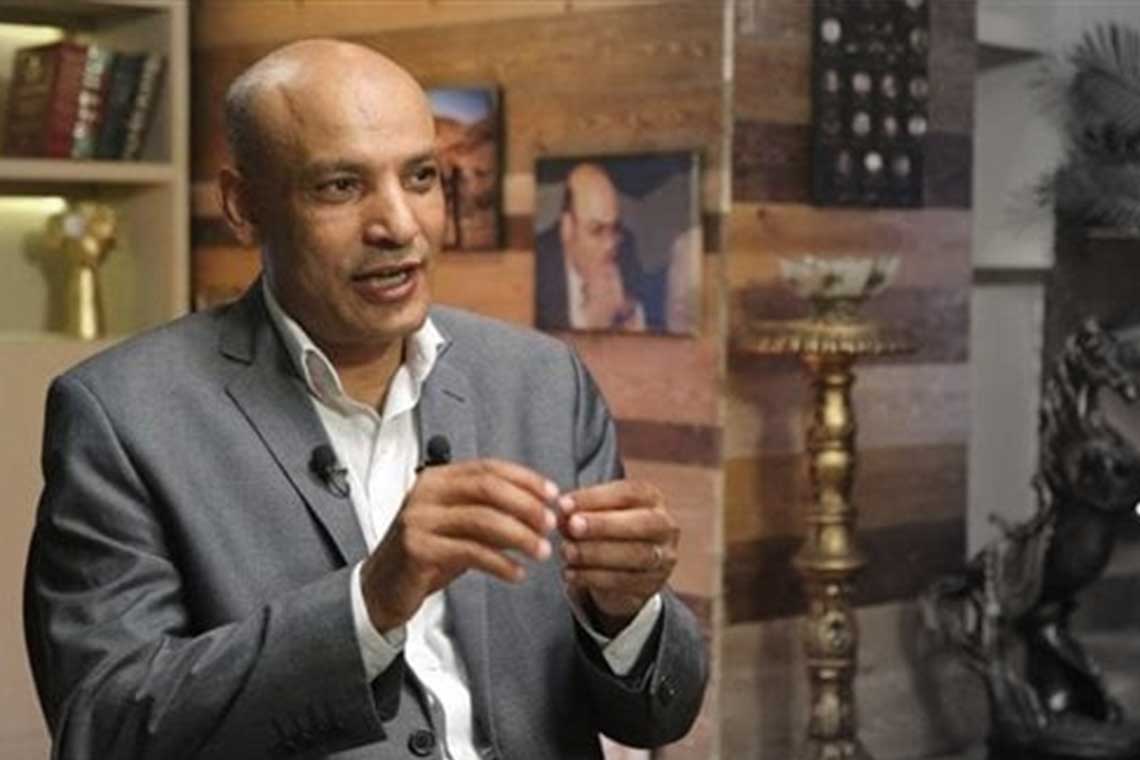
In an interview with AlSahafi.dz website, Egyptian researcher and expert on political Islam Maher Farghaly shared his perspective on ISIS’s announcement of the “Fezzan Province” in Libya, and the security challenges posed by this development in the region. Farghaly, who has extensive experience monitoring jihadist movements and political Islam, highlighted the dimensions of this announcement—from southern Libya to the African interior-and the organization’s new strategies in exploiting internal crises and militia conflicts to expand its influence.
Alsahafi: What does the terrorist organization’s announcement of the “Fezzan Province” in Libya represent strategically
Maher Farghaly: “It represents ISIS’s return through the gateway of southern Libya and the African interior, forming what could be called the ‘Desert Province’ of ISIS. Geostrategic monitoring and analysis of the group’s operations over the past five years show that attacks were concentrated in Fezzan (68% of total incidents), Wadi Al-Hayat (22%), and Greater Tripoli (5%). About 82% of attacks relied on ambushes, 12% were suicide attacks, and 6% were assassinations. Between 2020 and 2023, there was a clear geographic shift toward the south, with 75% of operations targeting security forces, 20% aimed at infrastructure, and 5% were random terrorist attacks.”
Alsahafi: Does this indicate a shift in the group’s focus from the African coast to deeper Libya
Maher Farghaly: “Yes, it represents a shift toward the Libyan interior, specifically Fezzan, which has been declared a new province. ISIS is currently operating in Bani Walid, exploiting militia disputes. The group has leveraged crises and conflicts to establish Fezzan as a distant province under the supervision of its external operations branch. It has also utilized its digital capabilities, relying on specialists in IT and digital technology, allowing it to combine physical presence with virtual outreach, deceiving a not-insignificant local support base.”
Alsahafi: How can we interpret the choice of Bani Walid for this renewed appearance through a suicide attack, and what does it signify that the perpetrator was from Niger
Maher Farghaly: “The organization retains limited but dangerous threat capabilities, concentrating its activity in southern and border areas, particularly at the Libyan-Algerian, Chadian, and Niger borders, where it recruited many elements, including migrants who joined various Libyan militias. Accordingly, through its weekly newspaper Al-Naba last week, ISIS called for the revival of ‘jihad’ in Libya, highlighting the country’s geographical advantages and describing it as ‘the key to the African desert and Europe’.”
Alsahafi: After the death of Mahdi Salem Dangu, who is likely to succeed him as leader of the so-called ‘Desert Army,’ and what are the main groups that could merge or ally with it in southern Libya?
Maher Farghaly: “Current ISIS leaders are unknown and may be of other nationalities. As for Libyan leaders, they include Mohamed Al-Braasi and Mohamed Al-Muhashmash, who are dangerous elements on the run.”
Alsahafi: To what extent does the expansion of ISIS in Fezzan pose a direct threat to regional security in general, and to Maghreb countries in particular?
Maher Farghaly: “Libya is not merely a local issue linked to internal crises; it is part of a broader plan targeting the Arab heartland and Europe. This opens the way to connecting Libya with the issue of ‘jihadist migration’ across the Mediterranean, as the group views it as a potential bridge to the ‘land of major conflict.’ Libya offers the closest and easiest access to Europe compared to the Levant or Iraq, making it a critical link in a global and African confrontation, which increases the threat to neighboring countries, including Egypt, Algeria, and Tunisia.”